Immigration
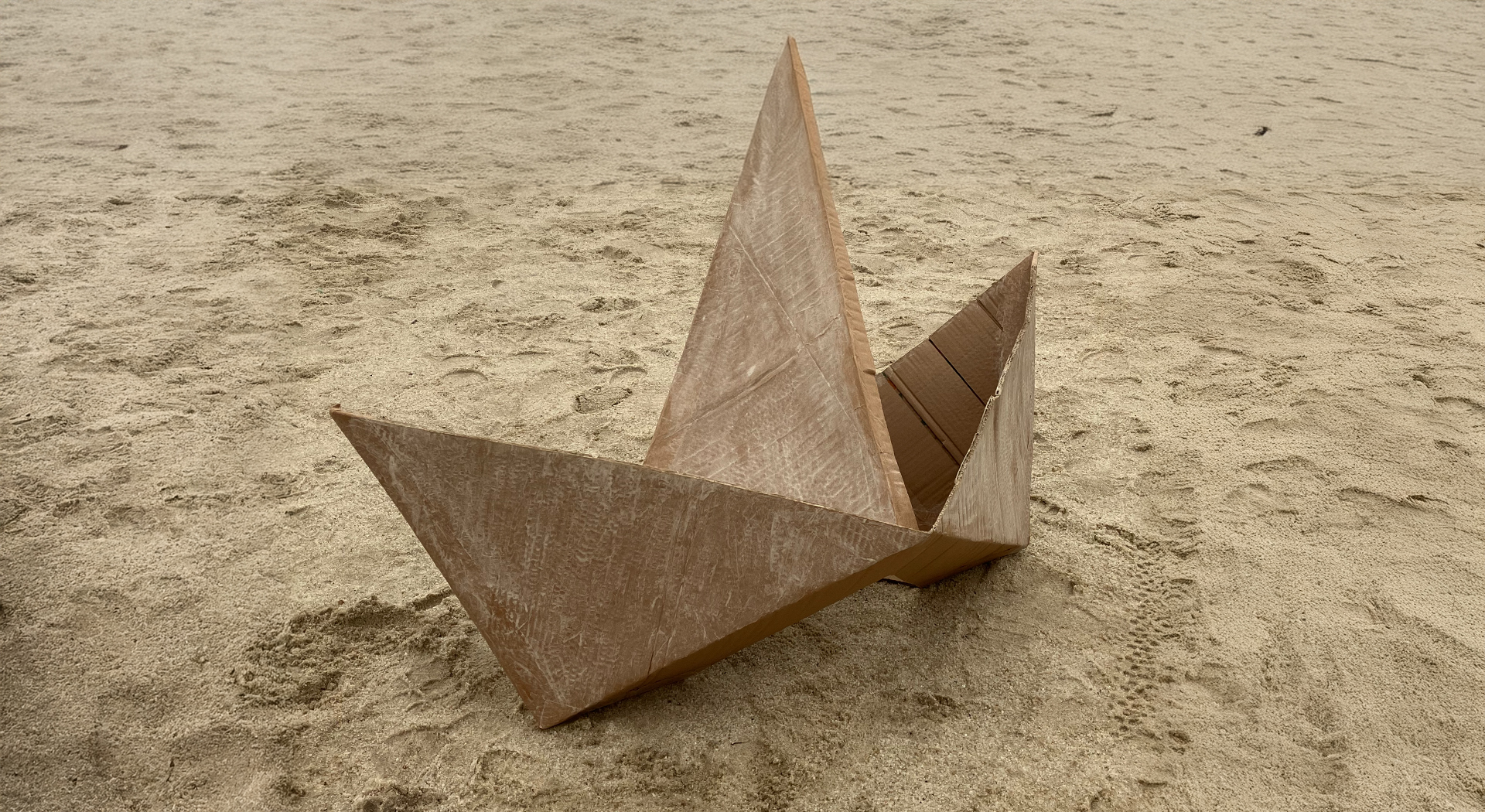
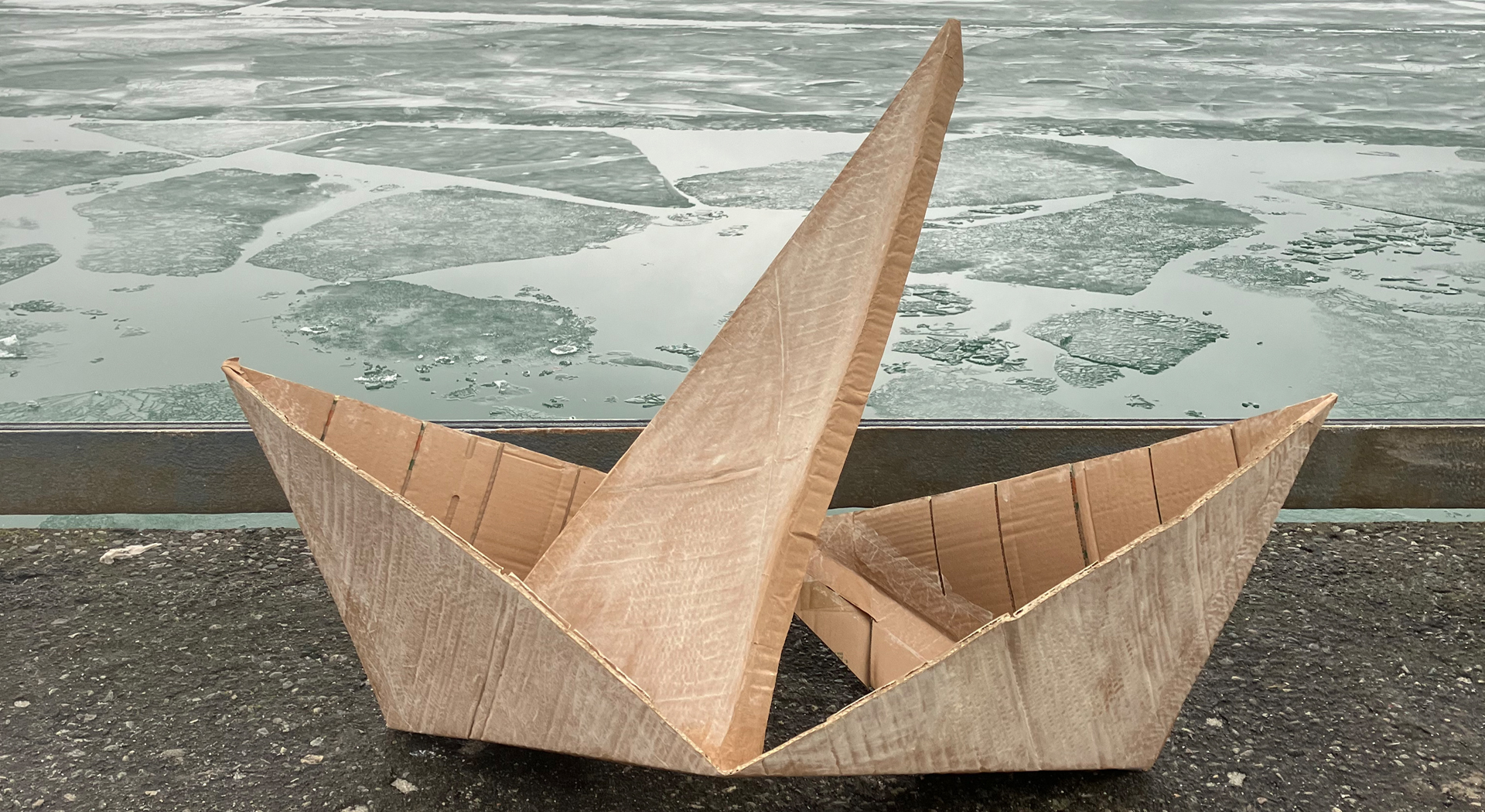
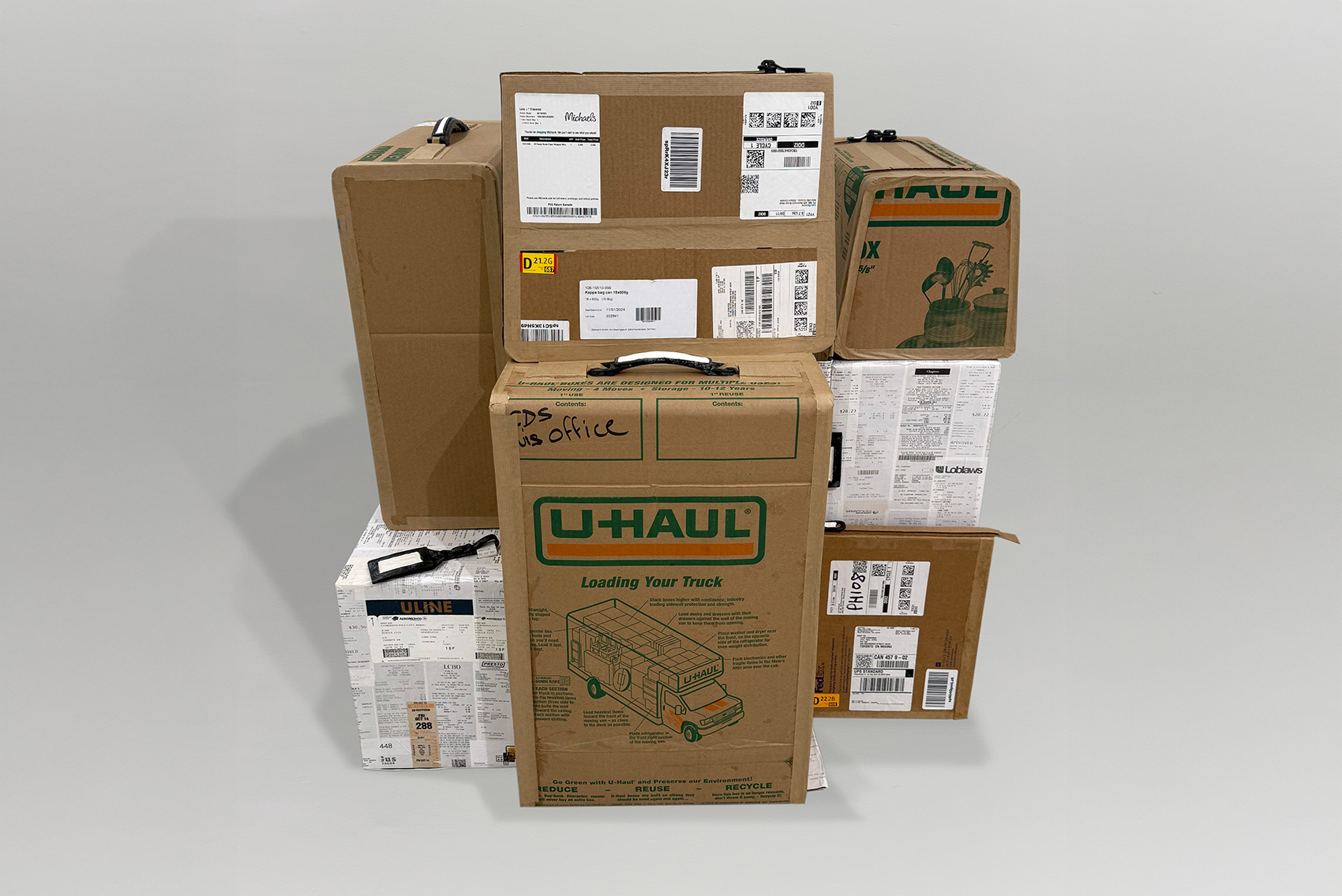
Immigration is a portable sculpture made from reclaimed cardboard boxes, capturing the experience of moving through a city while unable to see your destination. As a newcomer to Canada, you often find yourself unsure of how to navigate the city or its systems, uncertain of your direction or purpose. Wearing the sculpture and having your sight blocked evokes that same anxiety and uncertainty—the feeling of stepping into the unknown.
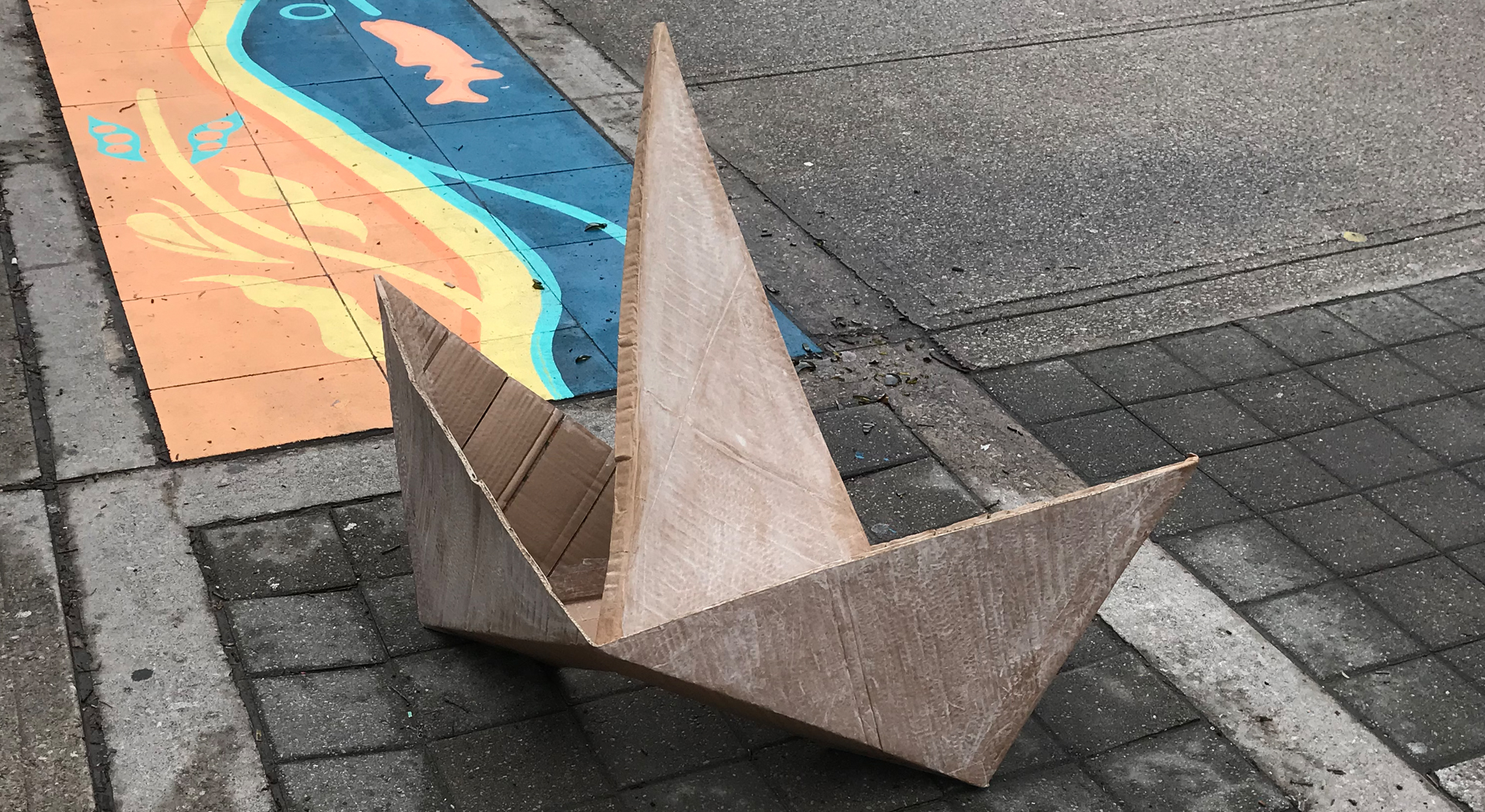

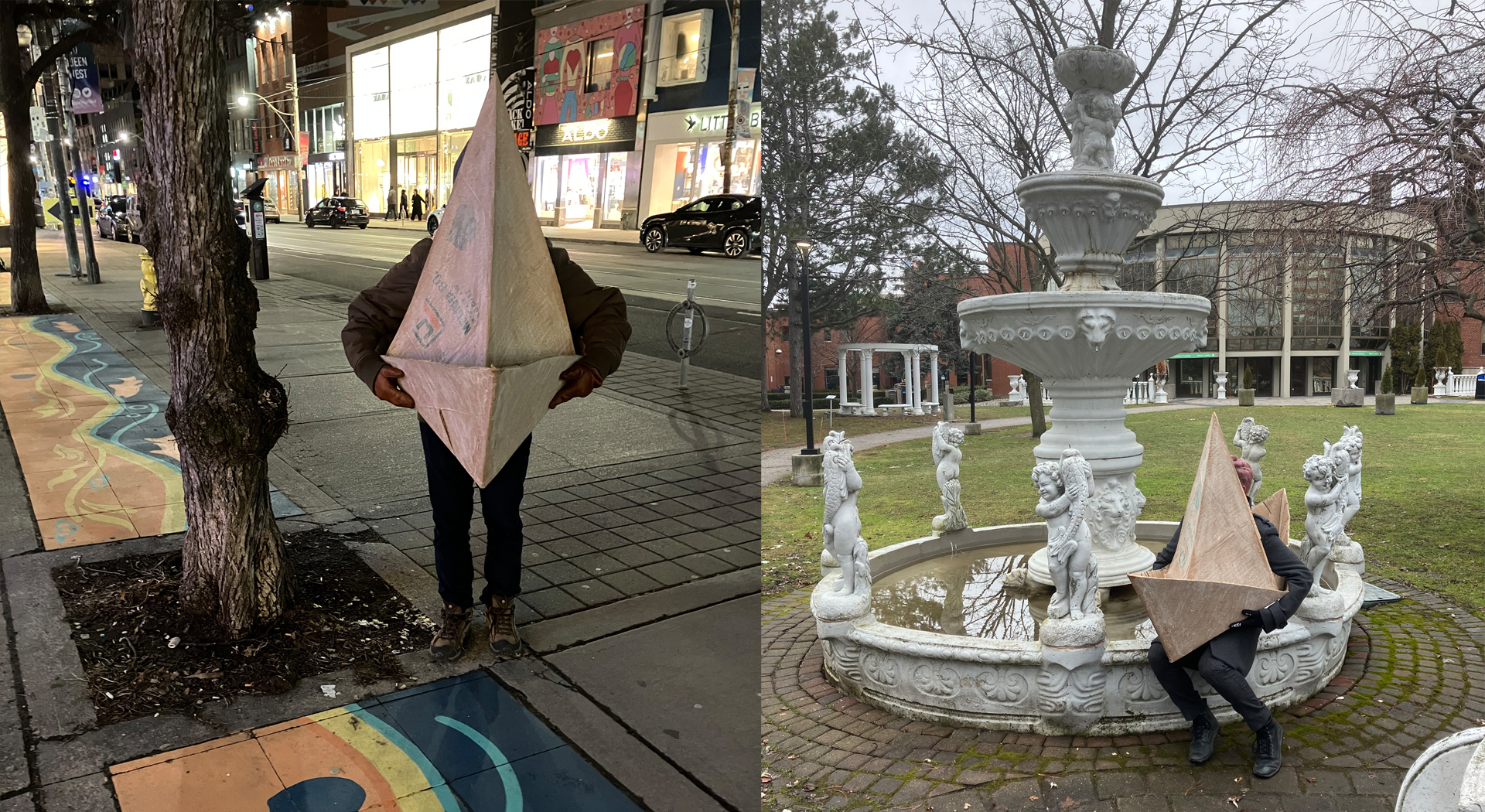
This functional sculpture becomes a tool for researching Toronto’s sidewalks, inviting new ways of understanding the city’s landscape.
Wearing the piece draws the public’s gaze; as a foreign object, it attracts attention much like an immigrant experiencing otherism upon arrival in Canada. The scale and fit of the sculpture embody this sense of otherness, functioning as an extension of the body—an exploration of migration, especially in places where water is a vital collaborator. There are many parallels between water and migration—both are about movement and navigation.
When I moved to Canada, I too felt the experience of otherism in the way people looked at me. My ancestors navigated the land by its rivers, and their journeys continue to inspire me. Both Mexico City and Toronto are built on water—a connection embodied in the boat-like shape of my sculpture. Through this work, I reflect on how my ancestors once navigated Mexico City by boat, and now, I find myself navigating Toronto in a similar way, carrying those histories with me.